
Category 03 · Facial sunscreens
How to choose a facial sunscreen
The label establishes tested protection; daily behavior determines how much of that protection reaches real life. Compare broad-spectrum coverage, water resistance, tolerance, and the context in which you will wear it.
3 selected formula profiles, compared without a universal ranking.
Ultraviolet exposure contributes to sunburn, visible photoaging, and skin-cancer risk. Broad-spectrum sunscreen helps reduce exposure to both UVB and UVA when it is applied as directed, but it works best alongside shade, protective clothing, hats, and sunglasses.
SPF is measured under standardized conditions and primarily describes protection from sunburn-producing UVB. Broad spectrum is a separate regulated claim tied to UVA testing. Water resistance indicates a tested duration during water exposure; it never means waterproof.
All three examples meet a broad-spectrum SPF 30-or-higher screen. The comparison focuses on labeled protection and practical tradeoffs, not an assumption that the highest SPF number is automatically the best everyday choice.
Selection criteria
What to compare first
Front-label language can narrow a search, but formulation, directions, and individual context determine whether the product is a sensible fit.
Require broad spectrum
A high SPF number without broad-spectrum labeling does not communicate the same UVA coverage. Verify both on the current Drug Facts label.
Match water resistance to the day
Swimming and sweating call for a labeled water-resistant product and timely reapplication. An everyday formula without that claim serves a different context.
Prioritize wearable coverage
Finish, fragrance, eye-area comfort, and compatibility with other products influence whether enough sunscreen is applied consistently.
Read the current directions
Application and reapplication instructions are part of product performance. Packaging, filters, and directions can change over time.
Product comparison
Three profiles, three sets of tradeoffs
These are selected examples, not numerical rankings. Verify the current package because ingredients, directions, and claims can change.
| Product | Formula profile | May align with | Important limit |
|---|---|---|---|
| La Roche-PosayAnthelios Melt-In Milk Sunscreen SPF 60 | Broad-spectrum SPF 60 with 80-minute water resistance | Face or body use when water resistance is relevant | High labeled SPF does not compensate for missed areas, inadequate application, or delayed reapplication. |
| NeutrogenaUltra Sheer Dry-Touch Broad Spectrum SPF 70, 3 fl oz | Broad-spectrum SPF 70 with 80-minute water resistance | A water-resistant option for someone who tolerates a fragranced formula | The documented formula contains fragrance, which may not fit every sensitive-skin routine. |
| EucerinAdvanced Hydration Ultra-Lightweight Face Sunscreen SPF 50, 1.7 fl oz | Fragrance-free broad-spectrum SPF 50 for daily facial use | Routine daily wear when swimming or heavy sweating is not expected | Its directions call for a separate water-resistant sunscreen during swimming or sweating. |
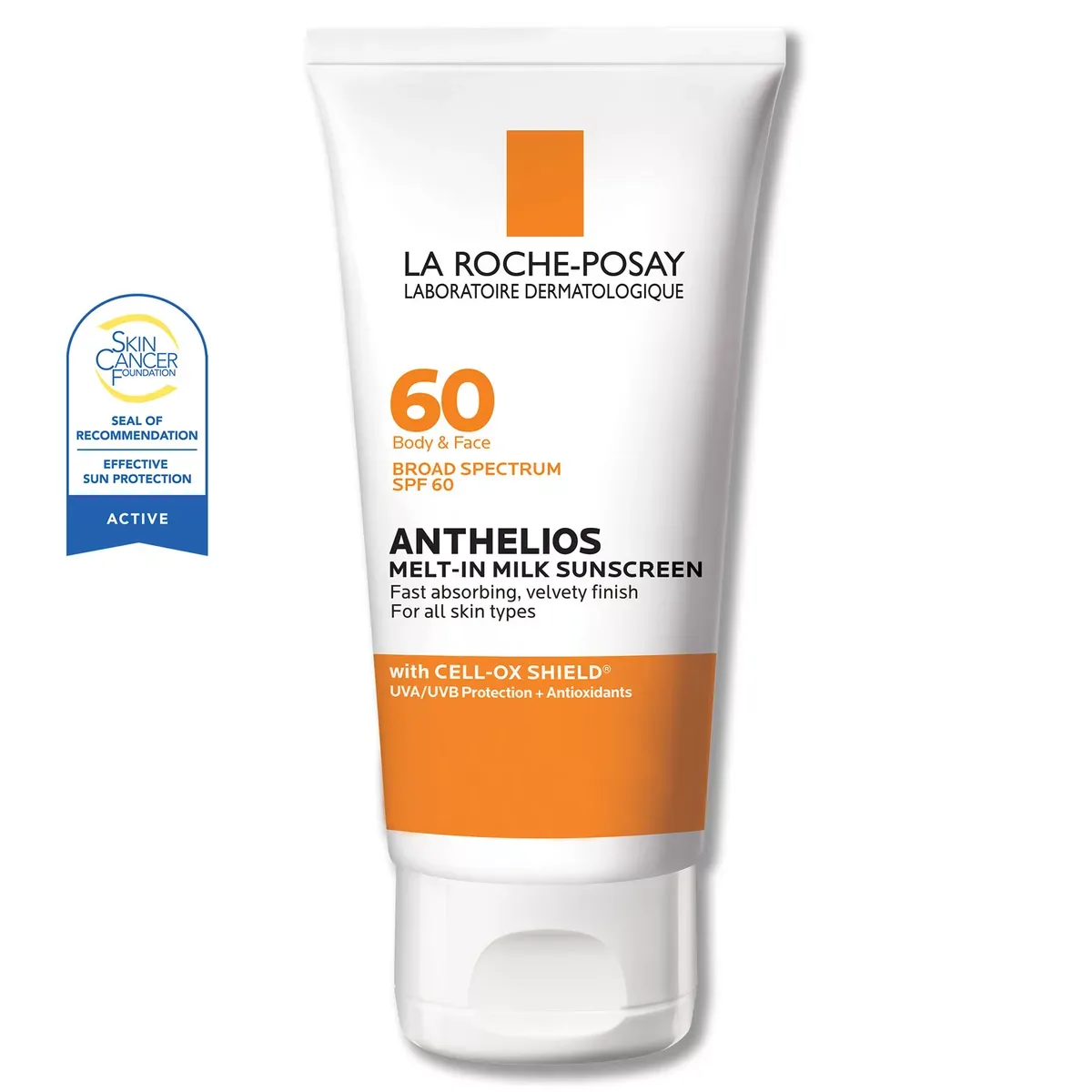
La Roche-Posay
Anthelios Melt-In Milk Sunscreen SPF 60
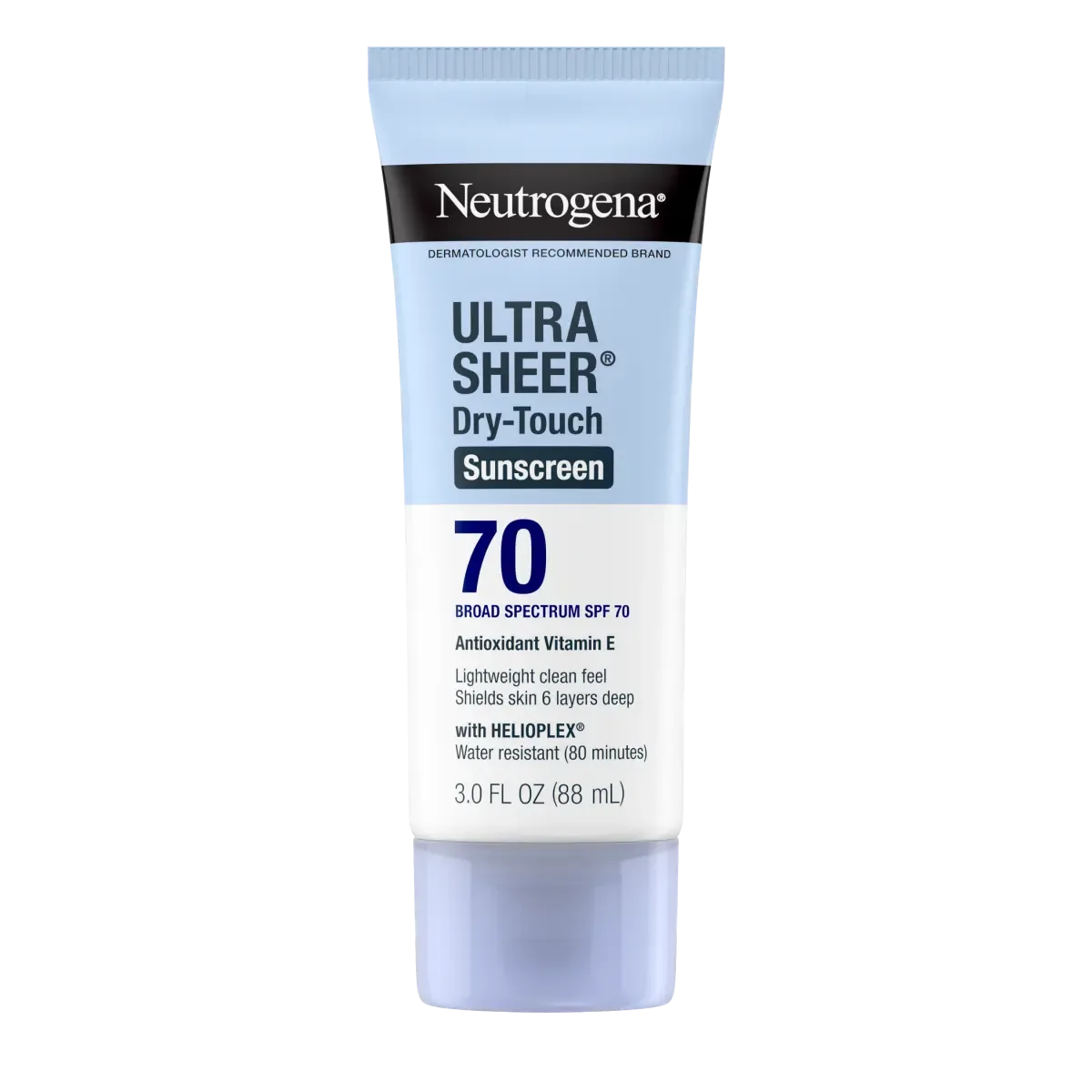
Neutrogena
Ultra Sheer Dry-Touch Broad Spectrum SPF 70, 3 fl oz
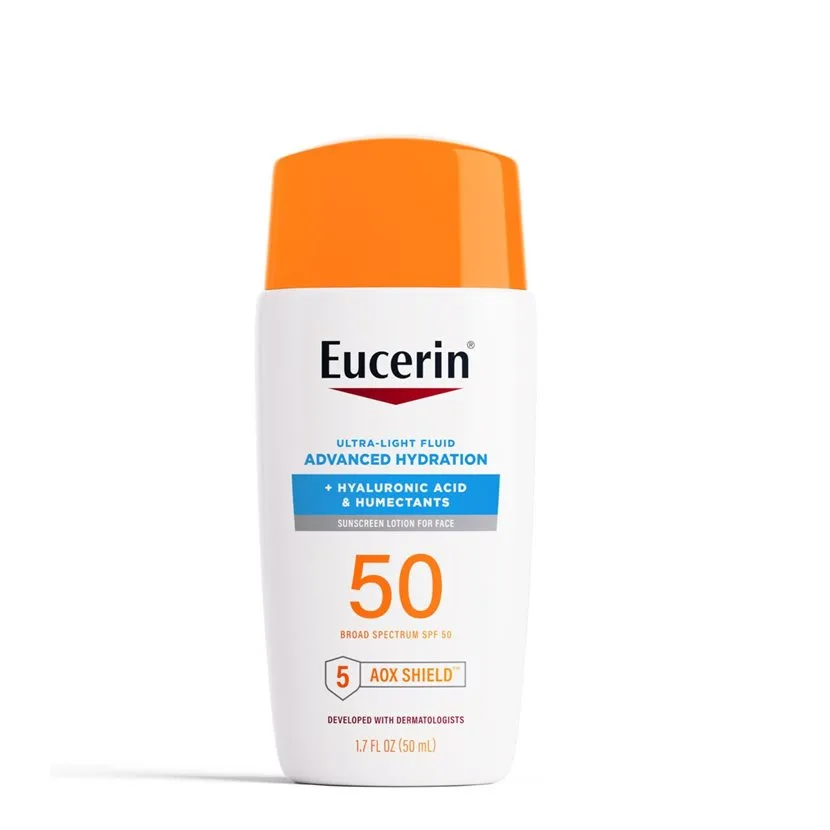
Eucerin
Advanced Hydration Ultra-Lightweight Face Sunscreen SPF 50, 1.7 fl oz
Formulation context
What the front label leaves out
- 01
UV filters function as a system within a film. The active-filter list matters, but dispersion, stability, and even application matter too.
- 02
A larger SPF number can add a margin under test conditions; it does not create all-day protection or remove the need to reapply as directed.
- 03
Fragrance-free positioning may help narrow a sensitive-skin search, but every complete formula still requires an individual tolerance assessment.
- 04
Pilling, cast, shine, dryness, and eye discomfort are practical adherence issues. These cannot be predicted reliably from an ingredient list alone.
Decision path
Turn the comparison into a controlled choice
A simpler routine makes both benefit and irritation easier to interpret.
Set the exposure context
Distinguish an ordinary indoor-heavy day from extended outdoor time, swimming, sports, or significant sweating.
Verify the label
Confirm broad spectrum, SPF 30 or higher, water resistance when needed, active ingredients, warnings, and directions on the current package.
Test real-world wear
Evaluate whether you can apply adequate coverage around hairline, ears, neck, and other exposed areas without avoiding the product because of finish or irritation.
Limits and safety
Know when product comparison is not enough
- Sunscreen is only one part of sun protection and should be combined with shade and protective clothing when practical.
- Reapply according to the current label, especially after swimming, sweating, or towel drying.
- Infants, known filter allergies, photosensitizing conditions, and a history of skin cancer require individualized professional guidance.
Method and revision
Transparent by design
Published · Updated . Products were compared using current label and manufacturer information, category-level evidence, and explicitly stated uncertainties. No firsthand testing is claimed.
Educational information only; it is not a diagnosis or personalized treatment plan. Some outbound product links are sponsored, but sponsorship does not determine inclusion or alter the assessment.