
Category 06 · Antioxidant serums
How to choose a vitamin C serum
An antioxidant name on the front of a bottle is only the beginning. The form of vitamin C, concentration, delivery system, packaging, storage, and finished-formula evidence determine what can reasonably be inferred.
3 selected formula profiles, compared without a universal ranking.
Antioxidants participate in reactions involving reactive species, but antioxidant activity in a laboratory does not guarantee a visible result on skin. The ingredient must remain stable in its package, be delivered through the vehicle, and reach relevant tissue in an active form.
L-ascorbic acid is the best-known topical vitamin C form and is difficult to formulate. Derivatives such as tetrahexyldecyl ascorbate may change stability or delivery characteristics, but they require their own evidence and cannot simply inherit every result from L-ascorbic acid studies.
These examples illustrate two L-ascorbic acid concentrations and one derivative-based formula. They are compared by disclosed facts and uncertainty—not by treating a larger percentage as an automatic winner.
Selection criteria
What to compare first
Front-label language can narrow a search, but formulation, directions, and individual context determine whether the product is a sensible fit.
Name the vitamin C form
L-ascorbic acid and vitamin C derivatives have different chemistry. Compare evidence for the exact molecule rather than the umbrella term vitamin C.
Put percentage in context
A disclosed concentration is useful, but delivery, pH, vehicle, supporting ingredients, and tolerance determine more than the number alone.
Evaluate packaging and age
Air, light, heat, and time can matter. Protective packaging and clear storage guidance help manage a stability-sensitive formula.
Keep claims proportionate
A plausible antioxidant mechanism does not prove that every finished serum prevents aging, fades pigment, or reproduces a clinical study.
Product comparison
Three profiles, three sets of tradeoffs
These are selected examples, not numerical rankings. Verify the current package because ingredients, directions, and claims can change.
| Product | Formula profile | May align with | Important limit |
|---|---|---|---|
| CeraVeSkin Renewing Vitamin C Serum 10%, 1 fl oz | 10% L-ascorbic acid serum in protective packaging | Someone comparing a clearly named active form at a disclosed concentration | Protective packaging is useful but cannot establish stability throughout every unit’s full period of use. |
| Timeless Skin Care20% Vitamin C + E Ferulic Acid Serum, 1 fl oz | 20% L-ascorbic acid with vitamin E and ferulic acid | Someone seeking a higher disclosed L-ascorbic acid concentration with supporting antioxidants | A higher percentage does not guarantee better delivery, a better outcome, or better tolerance. |
| VanicreamVitamin C Serum | Fragrance-free serum using tetrahexyldecyl ascorbate | Someone comparing a vitamin C derivative with fragrance-free positioning | The concentration is undisclosed, and evidence for L-ascorbic acid formulas should not be assigned automatically to this derivative. |
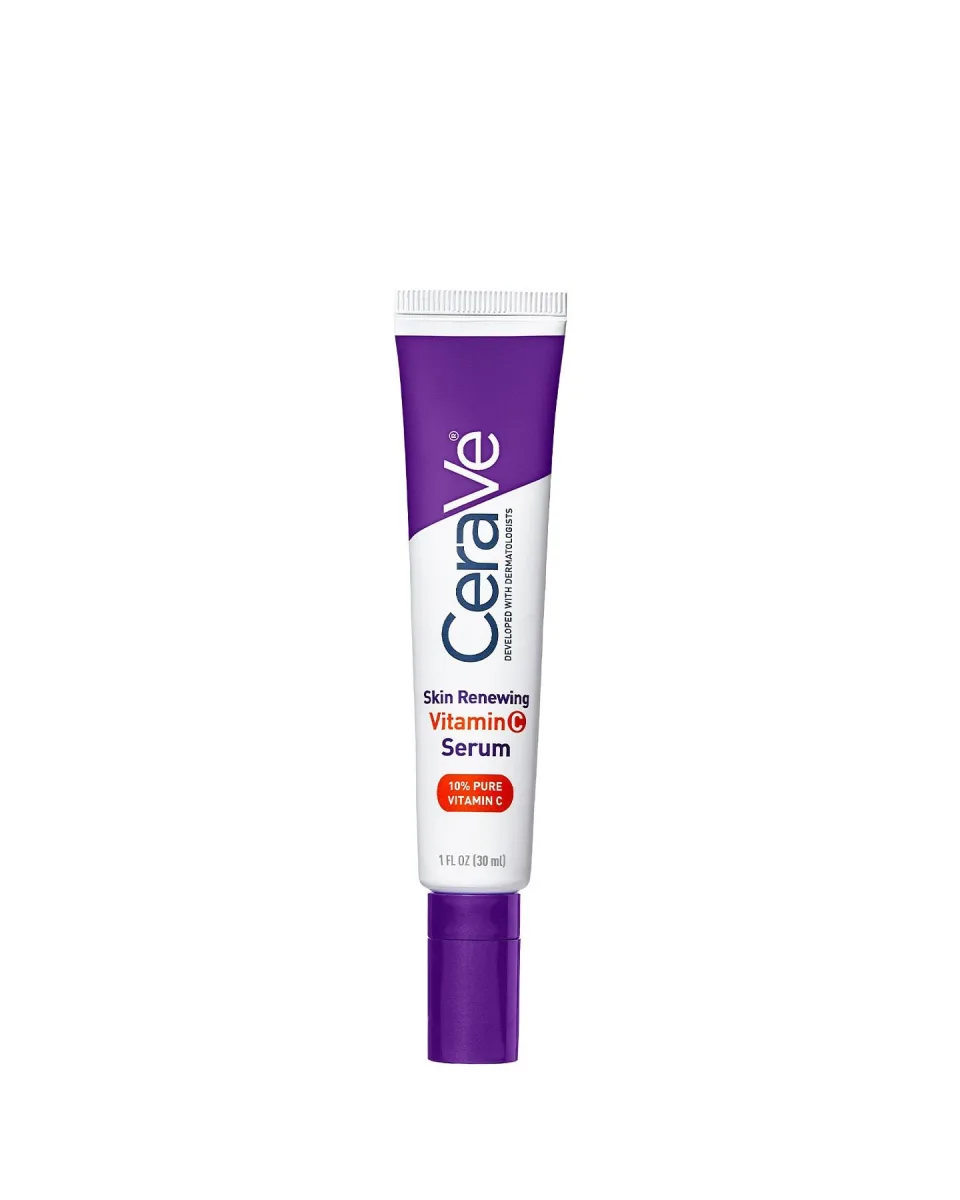
CeraVe
Skin Renewing Vitamin C Serum 10%, 1 fl oz
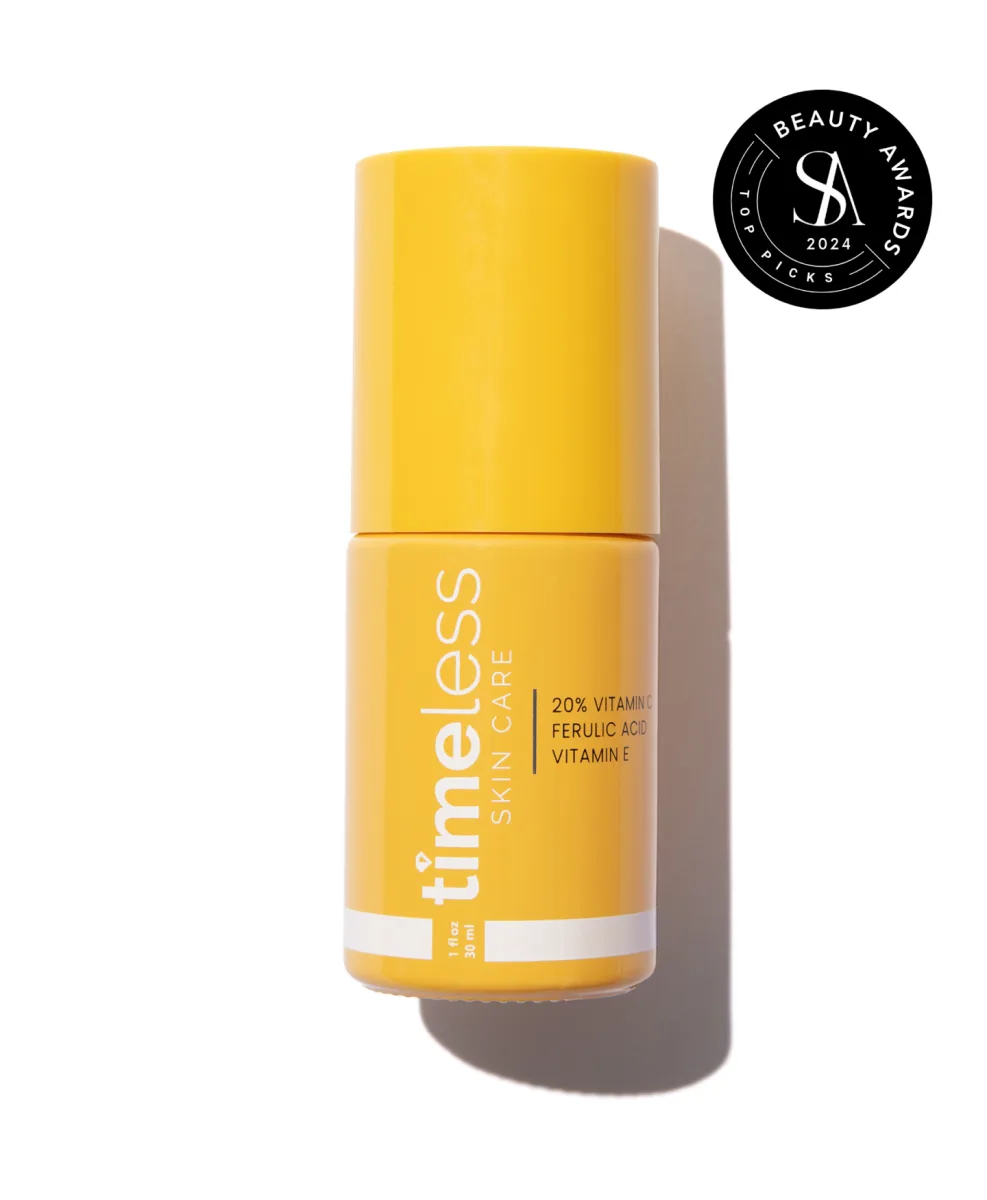
Timeless Skin Care
20% Vitamin C + E Ferulic Acid Serum, 1 fl oz
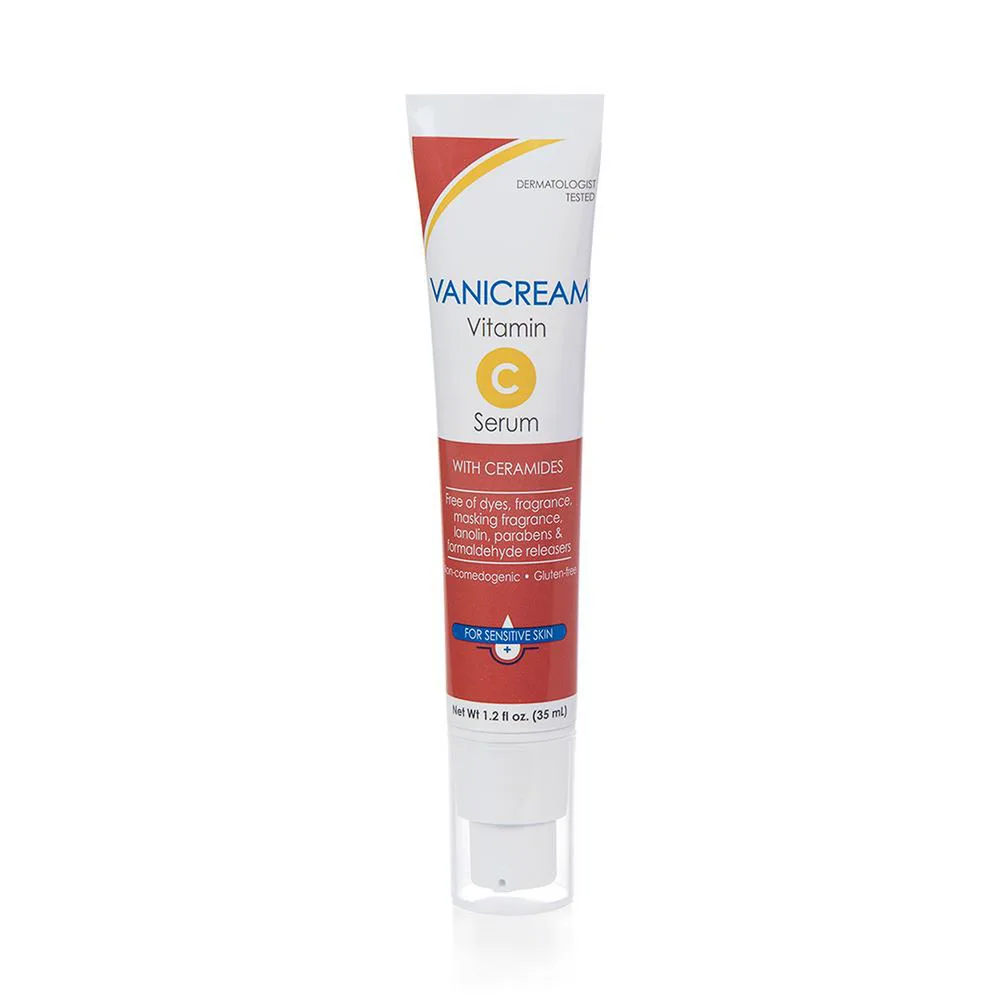
Vanicream
Vitamin C Serum
Formulation context
What the front label leaves out
- 01
L-ascorbic acid performance depends on more than concentration. pH, solvent system, packaging, and the complete formula influence stability and delivery.
- 02
Vitamin E and ferulic acid are rational supporting ingredients in some systems, but their presence does not prove that an untested finished product reproduces another formula’s results.
- 03
Oil-soluble vitamin C derivatives have different delivery questions from water-soluble L-ascorbic acid and need molecule-specific evidence.
- 04
Changes in color, odor, or texture may signal formula change. Follow the manufacturer’s storage and replacement guidance rather than relying on a universal color rule.
Decision path
Turn the comparison into a controlled choice
A simpler routine makes both benefit and irritation easier to interpret.
Choose a molecule class
Decide whether you want the evidence context of L-ascorbic acid or are evaluating a derivative on its own formulation merits.
Compare delivery clues
Review concentration disclosure, packaging, storage directions, supporting ingredients, and the quality of finished-product evidence.
Protect the rest of the routine
Introduce the serum gradually if needed and keep sunscreen central; an antioxidant serum complements rather than replaces photoprotection.
Limits and safety
Know when product comparison is not enough
- Stinging and irritation can occur, particularly with acidic or high-concentration formulas. More sensation is not evidence of more benefit.
- Do not use a changed or expired product contrary to its label, and do not assume refrigeration is appropriate unless the manufacturer directs it.
- Antioxidant serums do not replace broad-spectrum sunscreen, protective clothing, shade, or evaluation of a changing skin lesion.
Method and revision
Transparent by design
Published · Updated . Products were compared using current label and manufacturer information, category-level evidence, and explicitly stated uncertainties. No firsthand testing is claimed.
Educational information only; it is not a diagnosis or personalized treatment plan. Some outbound product links are sponsored, but sponsorship does not determine inclusion or alter the assessment.