
Category 04 · Acne care
How to choose an active ingredient for acne
Acne is not a cleanliness failure. Begin with the process you want to influence—follicular plugging, acne-associated bacteria, or inflammation—then select a tolerable active and vehicle.
3 selected formula profiles, compared without a universal ranking.
Acne develops through interacting processes that include follicular plugging, sebum, inflammation, and Cutibacterium acnes. Benzoyl peroxide, salicylic acid, retinoids, and azelaic acid are not interchangeable because they influence different parts of that biology.
The most complicated routine is rarely the best starting routine. Introducing one active at a time makes irritation easier to manage and helps reveal whether a product is contributing meaningful benefit. Vehicle and contact time matter alongside the active and percentage.
This comparison includes a benzoyl peroxide wash, a salicylic acid cleanser, and a cosmetic azelaic acid leave-on. Their different formats make them options for different jobs—not three versions of the same treatment.
Selection criteria
What to compare first
Front-label language can narrow a search, but formulation, directions, and individual context determine whether the product is a sensible fit.
Match active to acne pattern
Comedonal, inflamed, widespread, painful, and scarring acne do not carry the same treatment needs. Product selection should follow the dominant problem.
Separate rinse-off from leave-on
A cleanser has limited contact time; a leave-on remains on skin. Percentage comparisons without vehicle and directions can mislead.
Build for tolerability
Dryness and stinging can reduce adherence. Consider the rest of the routine before combining exfoliating, oxidizing, or retinoid products.
Know the care boundary
Deep, painful, persistent, or scarring acne and acne causing substantial distress deserve clinician-led evaluation.
Product comparison
Three profiles, three sets of tradeoffs
These are selected examples, not numerical rankings. Verify the current package because ingredients, directions, and claims can change.
| Product | Formula profile | May align with | Important limit |
|---|---|---|---|
| PanOxylAcne Creamy Wash, 4% Benzoyl Peroxide, 6 oz | Rinse-off acne wash with 4% benzoyl peroxide | A wash-format option targeting acne-associated bacteria and inflammation | Benzoyl peroxide can dry or irritate skin and bleach fabric; use only according to the current Drug Facts directions. |
| CeraVeAcne Control Cleanser, 2% Salicylic Acid | Acne cleanser with 2% salicylic acid | A rinse-off keratolytic step focused on pore obstruction | A cleanser may still cause dryness, and combining it immediately with several other actives can make tolerance difficult to assess. |
| The OrdinaryAzelaic Acid Suspension 10%, 30 mL | Cosmetic leave-on suspension with 10% azelaic acid | Someone comparing a leave-on azelaic acid cosmetic with rinse-off acne actives | A 10% cosmetic formula should not be treated as equivalent to prescription azelaic acid or assumed to treat every acne pattern. |
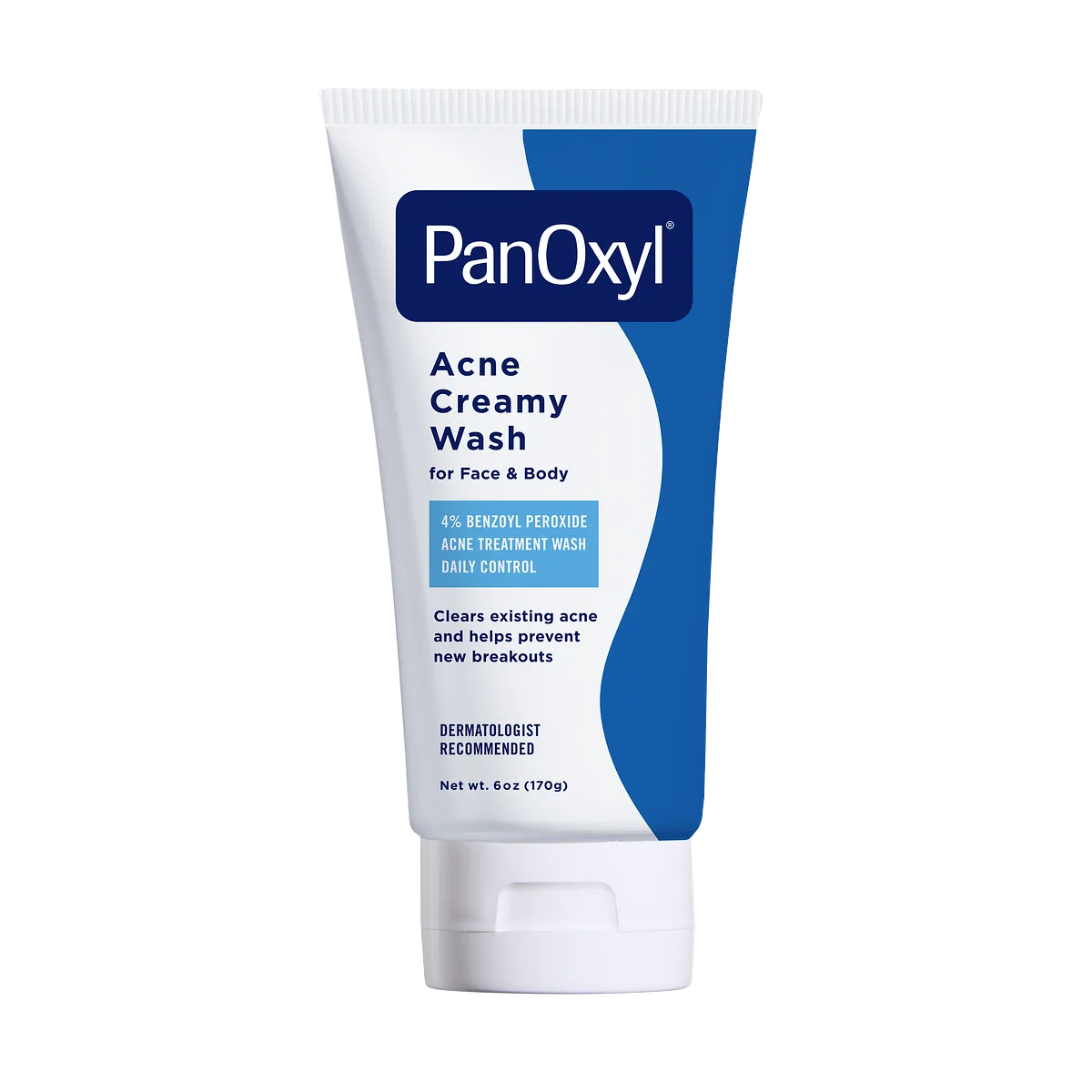
PanOxyl
Acne Creamy Wash, 4% Benzoyl Peroxide, 6 oz
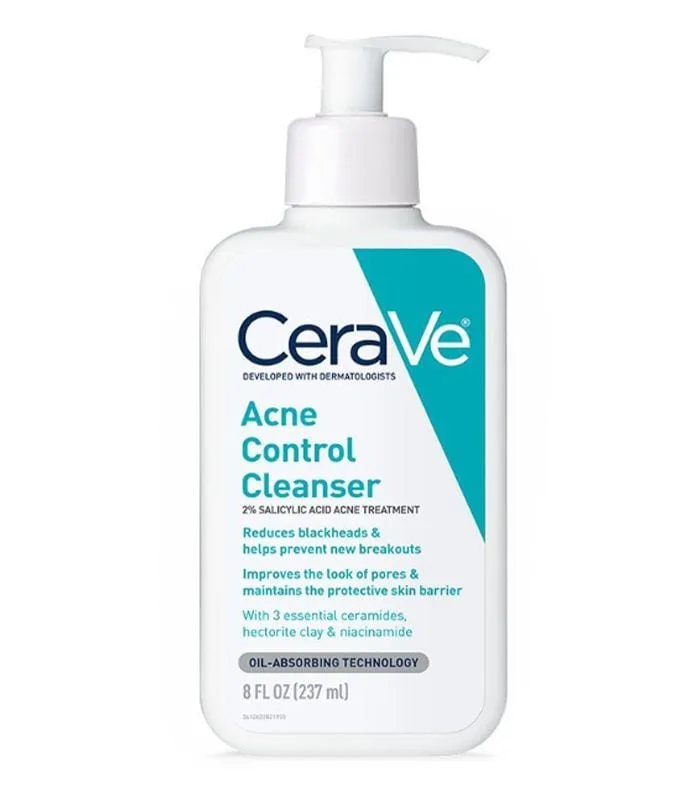
CeraVe
Acne Control Cleanser, 2% Salicylic Acid
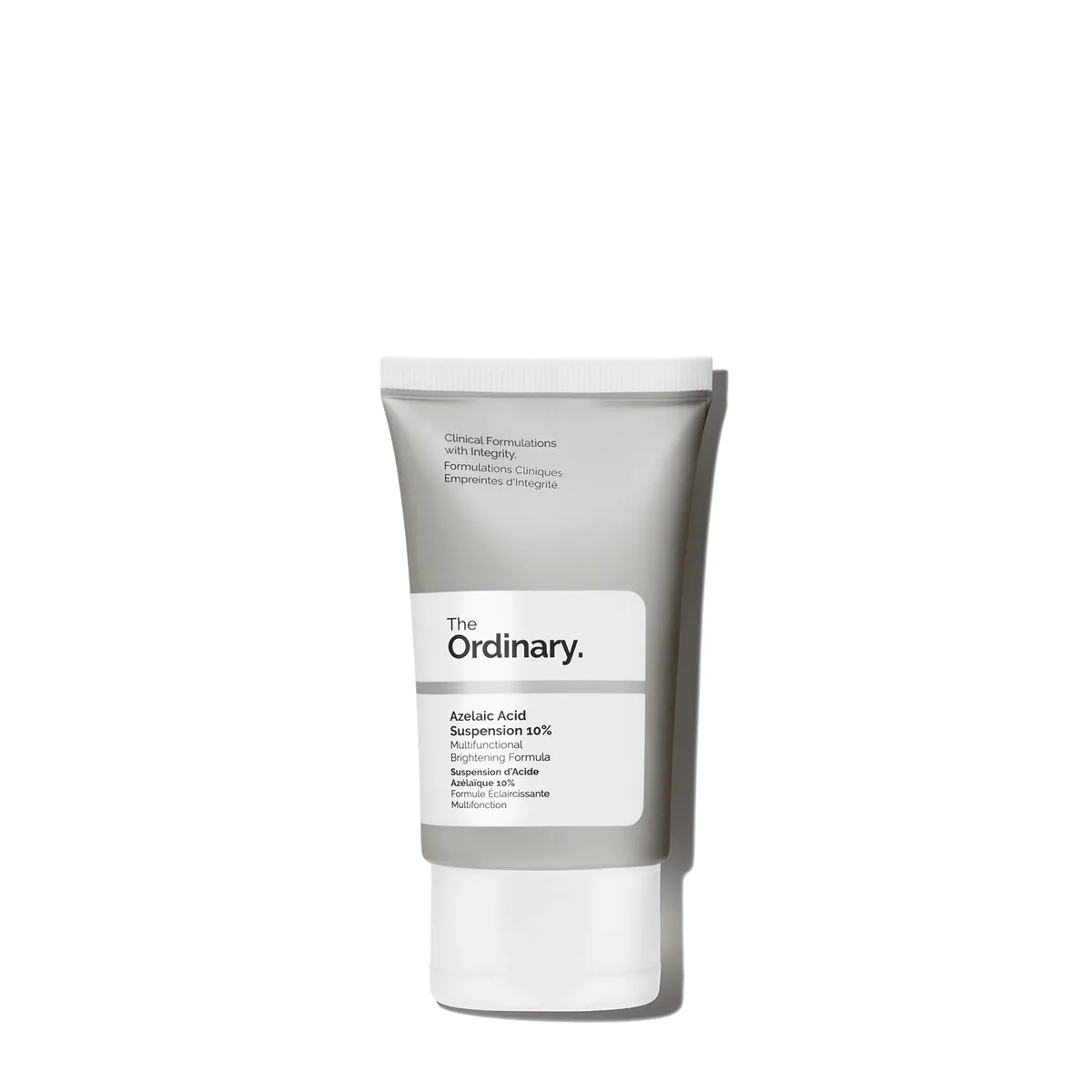
The Ordinary
Azelaic Acid Suspension 10%, 30 mL
Formulation context
What the front label leaves out
- 01
Benzoyl peroxide is an oxidizing acne active. Concentration is only one variable; vehicle, contact time, frequency, and tolerance affect use.
- 02
Salicylic acid is lipophilic and keratolytic. A named percentage helps identify the formula, but does not by itself predict clinical response.
- 03
Azelaic acid has acne-related and pigment-related uses at specific drug strengths. Cosmetic products need to be evaluated within their own concentration and formulation evidence.
- 04
Moisturizer and daily sunscreen can make an active routine more tolerable, but they do not replace appropriate acne treatment.
Decision path
Turn the comparison into a controlled choice
A simpler routine makes both benefit and irritation easier to interpret.
Pick one primary target
Decide whether the initial priority is clogged pores, inflamed lesions, or a clinician-directed combination strategy.
Choose a vehicle you can use correctly
Compare a wash with a leave-on and follow its specific directions rather than improvising contact time or frequency.
Track response and irritation
Use a consistent routine, document changes, and escalate to professional care when acne is painful, scarring, persistent, or worsening.
Limits and safety
Know when product comparison is not enough
- Rare serious hypersensitivity reactions have been reported with some over-the-counter topical acne products. Seek urgent care for trouble breathing, faintness, hives, or swelling of the face, eyes, lips, or tongue.
- Pregnancy or plans for pregnancy change which acne treatments are appropriate; ask a qualified clinician before choosing an active regimen.
- Do not continue escalating frequency through persistent burning, swelling, blistering, or severe peeling.
Method and revision
Transparent by design
Published · Updated . Products were compared using current label and manufacturer information, category-level evidence, and explicitly stated uncertainties. No firsthand testing is claimed.
Educational information only; it is not a diagnosis or personalized treatment plan. Some outbound product links are sponsored, but sponsorship does not determine inclusion or alter the assessment.